
Health · rare diseases · health and social care
A space for young patients, designed with them and reviewed by their care team
With the clinician-researchers of a hospital reference centre for rare diseases, IA Marketing led a project for teenagers, from the pitch through to building the website.

- Client
- A rare disease reference centre, in a university hospital
- Sector
- Health, rare diseases
- Period
- 2026
- Project
- L’ado-XPR, the young people’s space of CEREMAIA Lyon · see the space (in French)(opens in a new tab)
In brief · 5 min read
- The question
- Does a chatbot still make sense for young patients? If not, what instead?
- The recommended choice
- A resource platform, not a chatbot: reframe the question, listen to the young people, then deliver peer stories, ready-to-use replies, reviewed fact sheets and contacts
- Who decided
- Validated by the centre’s medical team: choice of content, review of the fact sheets and decision to publish
- The result
- 3 focus groups to validate the themes and the visual identity, and to take part in the testimonials section, 2026. The site already answers the requests the young people expressed; its traffic is not yet measured.
A reference centre and its young patients
A hospital reference centre brings together clinicians and researchers around rare diseases, some of which appear in childhood. Its clinician-researchers lead a project funded by a national call for projects: a digital resource for the teenagers and young adults living with these diseases.
Does a chatbot still make sense? The project predates ChatGPT
A chatbot already outdated
The original brief planned for a chatbot. Since then, conversational AI has become free and ubiquitous: on conversation, the game was lost before it started.
Ultra-rare diseases
The sources are mostly in English, and general-purpose models get them wrong. What was missing was validated information, in French.
The hardest part is talking about it
To friends, to teachers, to healthcare professionals: the disease is also lived in the way you explain it.
Reframe the question, then listen to the young people
The key trade-off
A resource platform, not a chatbot
The conversational interface has become a commodity, free and available everywhere. The lasting value lies elsewhere: validated information in French, the trust of healthcare professionals, the human connection and a place within the care pathway. The site becomes a reliable source, one that AIs can themselves cite.
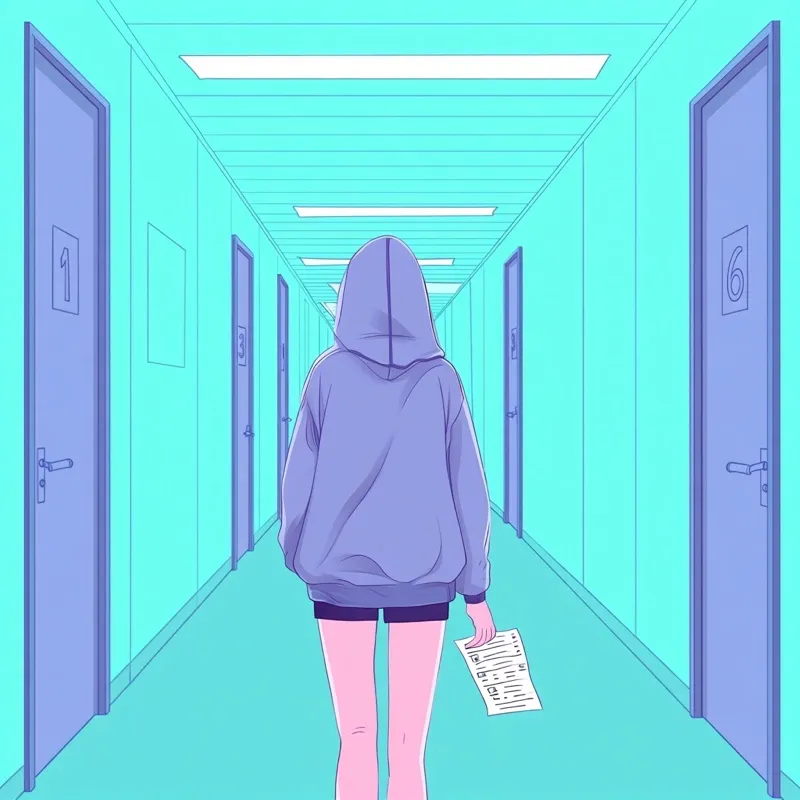
Listen to the young people before deciding
A questionnaire with 17 young patients, in July 2026. Testimonials came clearly top, and responding to remarks is the hardest situation. Three focus groups, run by the centre, followed: to validate the themes and the visual identity, and to take part in the testimonials section.
Reviewed fact sheets, with their sources
Each disease fact sheet states its sources (protocols from the HAS, the French National Authority for Health, and Orphanet) and who reviewed it.
Stories from peers
Three long testimonials from young patients, gathered in interviews and published with their consent.
Zero data collection by design
No account, no email, no form: the site collects no health data.
Who did what
IA Marketing
Pitch and strategic scoping, questionnaire and summary, graphic redesign and design system, writing and layout of the content, page audit, pre-production and preparation of the hosting.
The centre’s medical team
The relationship with the young patients: questionnaire and focus groups. Medical validation and review of the fact sheets, choice of content, consent for the testimonials and the decision to publish.
A reference website, and a space for teenagers
Fourteen disease fact sheets, three long testimonials illustrated for the occasion, in a night-time purple and turquoise identity, and L’ado-XPR, a space “made from your words” in four sections, in the order the young people asked for.
Récits (Stories)
What other teenagers live through with their illness: their words, unfiltered, gathered in interviews.
Répondre (Responding)
“You don’t look ill”… Ready-to-use replies, and the disease explained on one page for school or work.
Comprendre (Understanding)
The disease explained with reliable sources, and a guide to using AI without being caught out.
Besoin d’aide (Need help?)
Psychologists in Lyon, numbers that answer 24/7, reimbursed sessions: resources and contacts, not a consultation.
And, at the bottom of every page, 3114, France’s national suicide prevention helpline: free, 24/7, someone really does pick up. See L’ado-XPR (in French)(opens in a new tab)



What the site already guarantees
Answering what the young people asked for
The testimonials, the first request in the questionnaire, open the space: “unfiltered” stories, gathered in interviews. The situation judged the hardest, responding to remarks, has its own section: ready-to-use replies and the disease explained on one page for school or work.
Built together
The space is built from the young people’s interviews and feedback, validated by three focus groups, which also validated the visual identity and took part in the testimonials section. Anyone can add their own stories, replies and ideas, anonymously if they prefer, and the next pieces of work follow the order of what they said.
What the project produced
- Period
- 2026
- Scope
- Young patients, run by the centre following the July questionnaire
- Source
- Figures provided by the CEREMAIA centre, November 2026
- Period
- 2026
- Scope
- The reference centre’s project
- Source
- Figures provided by the CEREMAIA centre, November 2026
- Period
- 2026
- Scope
- L’ado-XPR young people’s space
- Source
- Figures provided by the CEREMAIA centre, November 2026
And the quality of the site delivered
- Period
- September 2026
- Scope
- Disease fact sheets and young people’s pages with medical content
- Source
- Site repository history, September 2026
- Period
- September 2026
- Scope
- Design system palette
- Source
- Site repository history, September 2026
- Period
- September 2026
- Scope
- 9.9 MB to 8.6 MB, across the whole site
- Source
- Site repository history, September 2026
These figures describe the quality of the site delivered. Use by young patients will be measured once the site is live.
More is coming, in the order the young people set
- Transition from paediatric to adult care.
- Studies, work and rights.
- Body and intimate health.
- Every new piece of content prepared by IA Marketing, validated by the medical team before publication.
After the Rare disease reference centre case
Does your healthcare project need to find its form, together with clinicians?
A 30-minute scoping call: the decision to make, the scope, the possible next step.
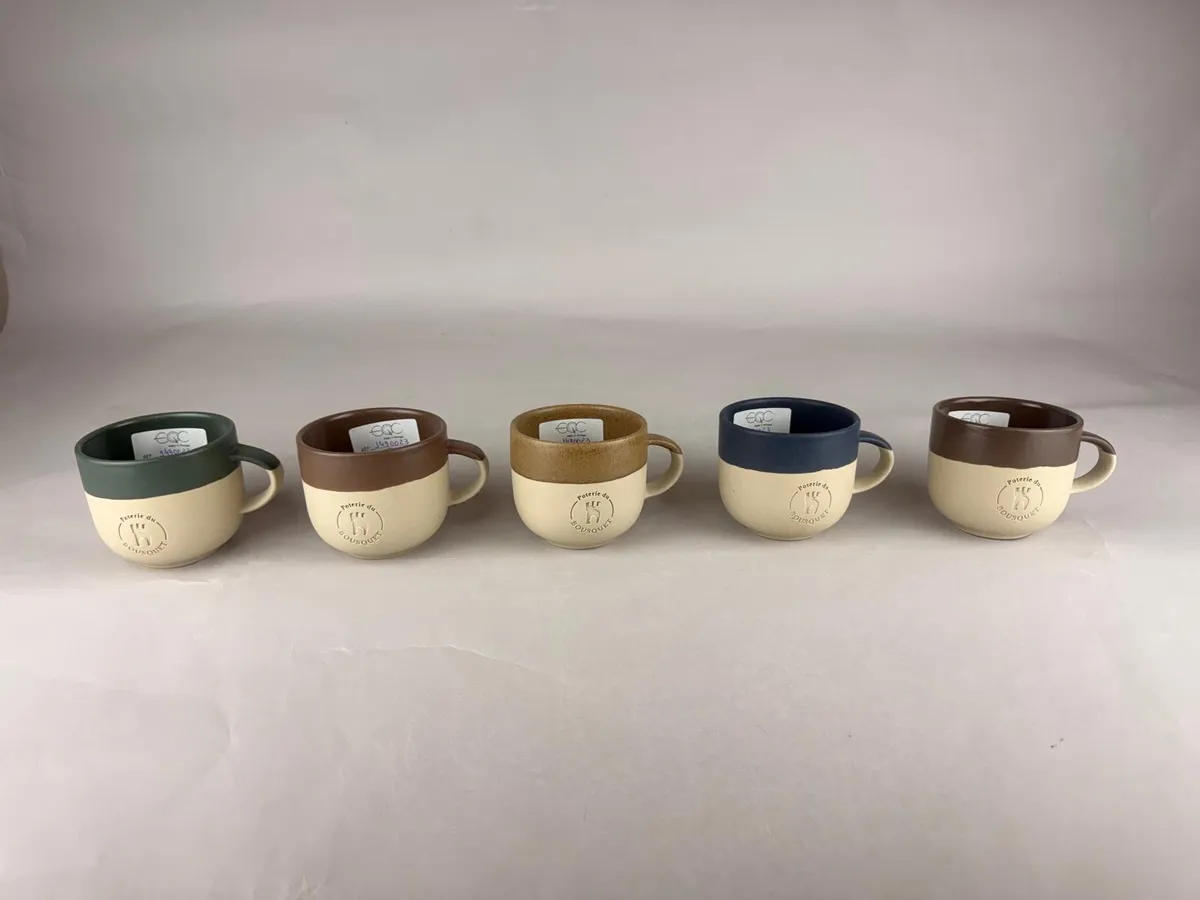
Poterie du Bousquet
Choosing a signature colour in a category with no clear signature
13 stands assessed in 65 minutes at a trade show
Case study in French
Nordways
After COVID, hospitality, luxury and the Meilleurs Ouvriers de France (a French distinction recognising excellence in skilled trades) rather than the medical sector
+60% net margin, +45% productivity
What next?
What comes next for your project?
Scoping call
A decision close to this case?
Thirty minutes to place your project: the issue, the scope and the possible next step. This is not a product demo.
Managed service
Talk to our team about running your marketing
The IA Marketing team runs your marketing projects in BAM, IA Marketing’s proprietary platform, as a managed service. Your team checks, validates and decides.